
Private-Label Lashes for Distributors: What You Must Know Before Selecting a Supplier
Have you ever wondered why some lash brands skyrocket in popularity while others fade into the background? In the booming beauty industry, where the global false eyelashes market is projected to reach $2.5 billion by 2028, the secret often lies in smart partnerships for private label lashes. As a distributor, diving into private label lashes can transform your business, allowing you to offer customized products that resonate with your customers. But with so many suppliers out there, how do you choose the right one without getting lost in unclear processes or botched branding? That’s where Becoda Lash comes in—a premium eyelash manufacturer with over a decade of experience, dedicated to helping distributors like you build standout brands through seamless OEM/ODM services.
In this comprehensive guide, we’ll explore everything you need to know about private label lashes, from demystifying the OEM/ODM process to aligning styles with your brand identity. Whether you’re a seasoned distributor or just starting, this article will provide actionable insights to navigate supplier selection and elevate your offerings.
Private label lashes refer to eyelash products manufactured by a third-party supplier but branded and sold under your own label. This approach allows distributors to create unique product lines without the hassle of building production facilities from scratch. Unlike off-the-shelf wholesale items, private label lashes give you control over design, quality, and packaging, fostering brand loyalty and higher profit margins.
Why should distributors care about private label lashes? For starters, they enable differentiation in a saturated market. Imagine sourcing generic lashes that every competitor sells—your brand blends in. But with private label lashes, you can tailor everything from curl types to fiber materials, making your products a reflection of your vision. According to industry reports, brands using private label strategies see up to 30% higher customer retention rates because consumers feel connected to personalized offerings.
At Becoda Lash, we specialize in turning your ideas into reality. Our private label lashes include a wide array of options, from natural wispy styles to dramatic volume sets, all crafted with premium materials like synthetic mink or silk fibers. This flexibility ensures that your private label lashes not only meet but exceed market demands.
To make this relatable, consider a hypothetical distributor named Elena, who runs a boutique beauty supply chain. Frustrated with inconsistent suppliers, she switched to private label lashes and saw her sales double within a year. Her story highlights how the right partnership can address pain points like unclear processes and turn them into growth opportunities.
One of the biggest pain points for distributors entering the world of private label lashes is the opacity surrounding OEM (Original Equipment Manufacturing) and ODM (Original Design Manufacturing) processes. OEM involves producing lashes based on your specifications, while ODM allows the supplier to design products that you then customize. Understanding these can prevent costly mistakes and ensure smooth collaboration.
Let’s break it down step by step:
By clarifying these steps, distributors can avoid pitfalls like misaligned expectations. For instance, Elena from our earlier story used Becoda’s ODM services to create a line of magnetic private label lashes, which became a bestseller due to their ease of use.
Your brand identity is more than a logo—it’s the story you tell through your products. When selecting private label lashes, alignment is crucial to avoid branding mishaps that dilute your message.
First, define your brand’s core values. Are you targeting eco-conscious consumers? Opt for sustainable private label lashes made from recycled materials. For luxury brands, premium mink-inspired synthetics convey elegance.
Compare lash types to match your identity:
Becoda Lash excels in helping distributors align these. Our experts guide you through curl selections—C for subtle lift, D for bold drama—and lengths that flatter various eye shapes, ensuring your private label lashes embody your brand.
Storytime: Picture a distributor focusing on Gen Z trends. By partnering with Becoda for wispy, clear-band private label lashes, they created a youthful, effortless vibe that resonated on social media, boosting engagement by 50%.
Actionable tip: Conduct a brand audit before supplier talks. List must-have features and share them to streamline the process.

Knowing your audience is the cornerstone of successful private label lashes. Distributors often overlook this, leading to mismatched products and lost sales.
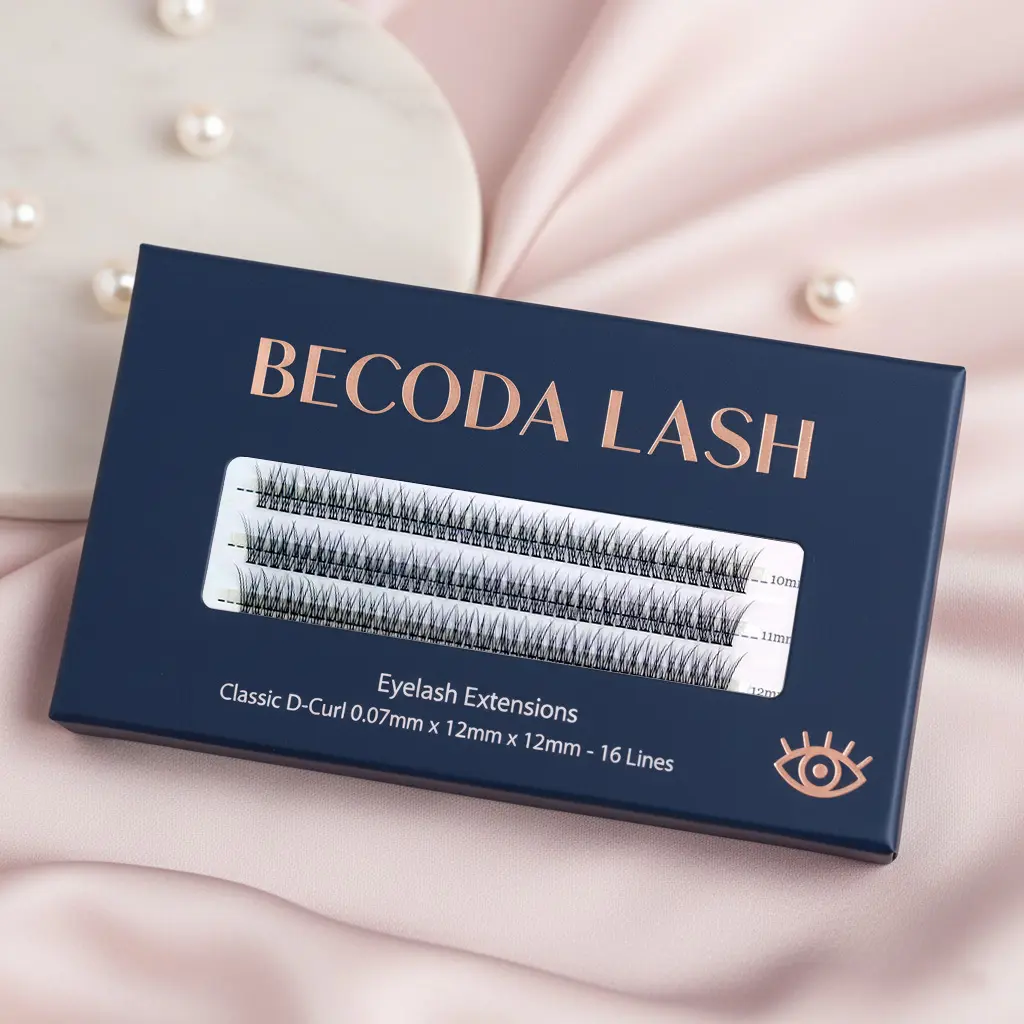
Segment your customers: Are they lash artists seeking professional-grade extensions, or retail buyers wanting at-home kits? For professionals, prioritize adhesive-compatible private label lashes like pre-fanned volumes for efficiency. For consumers, focus on user-friendly options like self-adhesive magnetics.
Consider demographics:
Becoda Lash supports this with customizable lash maps—guides that help artists apply private label lashes perfectly, tailored to eye shapes like almond or hooded.
Hypothetical example: A distributor targeting busy moms developed quick-apply cluster private label lashes with Becoda’s input, addressing the need for time-saving beauty solutions. Sales surged as reviews praised the practicality.
Pro tip: Use customer feedback loops. Survey your base on preferences and iterate with your supplier for ongoing relevance.
Looking ahead to 2026, private label lashes must evolve with trends to stay competitive. Sustainability tops the list, with biodegradable fibers gaining traction amid eco-awareness. Expect a rise in hybrid blends combining natural and volume for versatile looks.
Color play is another hotspot—subtle browns and pastels for diverse skin tones, moving beyond black. Tech integrations, like app-guided application via QR codes on packaging, will enhance user experience.
For distributors, incorporating these into private label lashes means partnering with forward-thinking suppliers. Becoda Lash’s R&D team is already prototyping glow-in-the-dark accents and AI-optimized curl patterns for personalized fits.
Trend forecast:
By anticipating these, distributors can launch trendsetting private label lashes. Elena, our storyteller, capitalized on 2026’s sustainability wave by co-developing vegan private label lashes, positioning her brand as innovative.
Actionable advice: Attend beauty expos or subscribe to trend reports, then collaborate with your supplier to prototype ahead.
Not all suppliers are created equal. When scouting for private label lashes partners, prioritize these criteria to sidestep pain points like unclear processes.
Compare suppliers using a scorecard. For branding execution, ensure they handle logos, colors, and marketing materials flawlessly.
Real-world tip: Request references and samples. Test private label lashes in your market before committing.
Branding execution turns good private label lashes into iconic products. This involves more than slapping a label—it’s about cohesive storytelling.
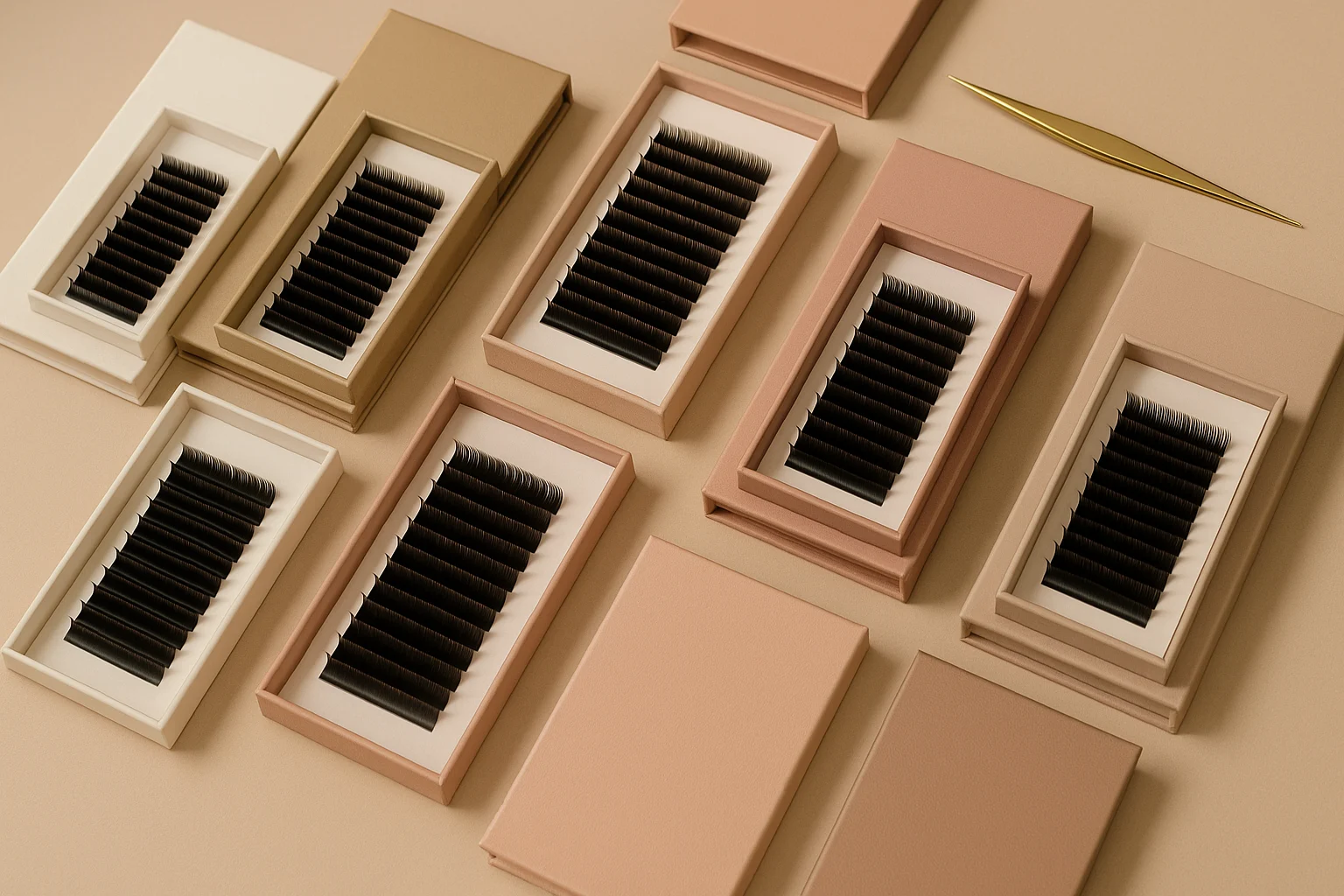
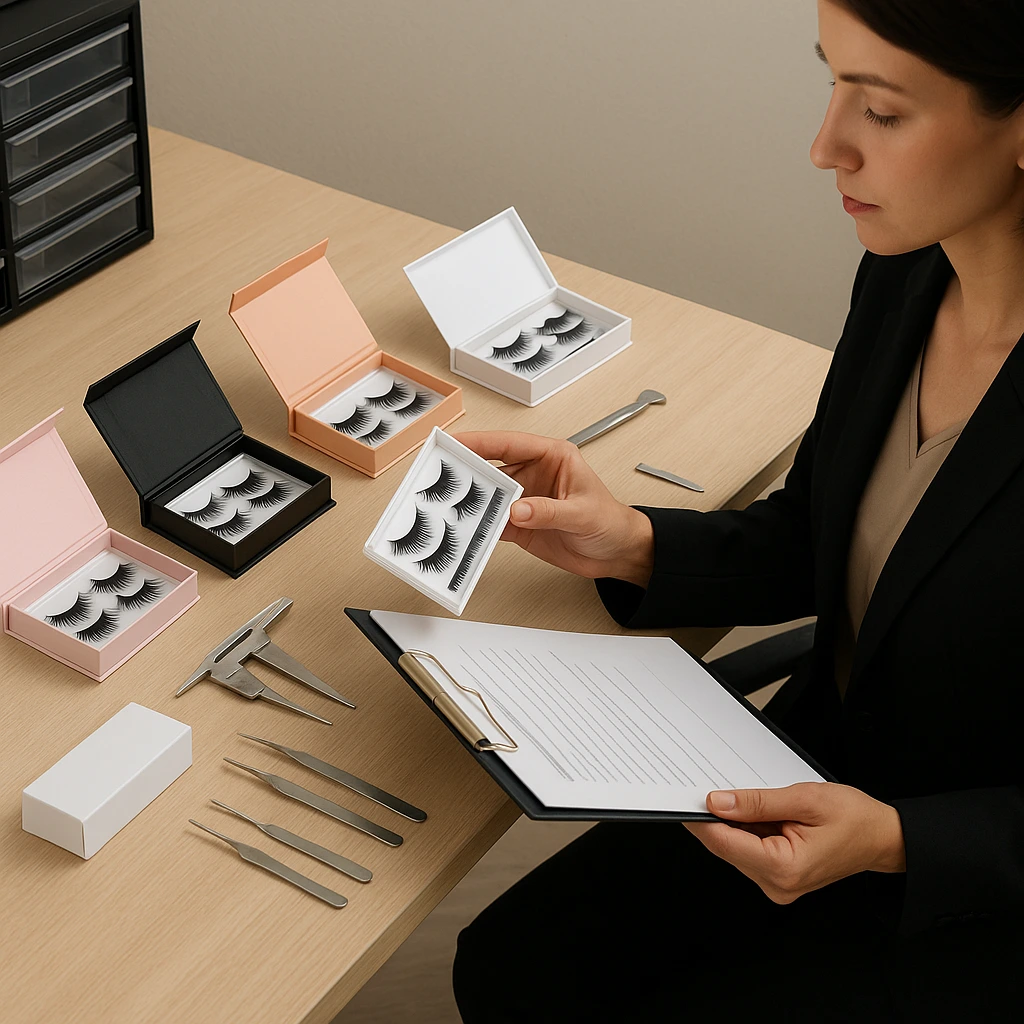
Start with packaging: Custom boxes reinforce identity. Becoda Lash offers options like flap designs for luxury unboxings.
Incorporate marketing assets: Develop lash maps or tutorials branded with your logo, provided by the supplier.
Avoid common pitfalls: Inconsistent colors or poor material choices erode trust. Work closely during ODM to align visuals.
Story extension: Elena’s branding triumph came from Becoda’s custom trays, which featured her brand’s pastel palette, making her private label lashes instantly recognizable.
Step-by-step guide:
This ensures your private label lashes not only look great but sell themselves.
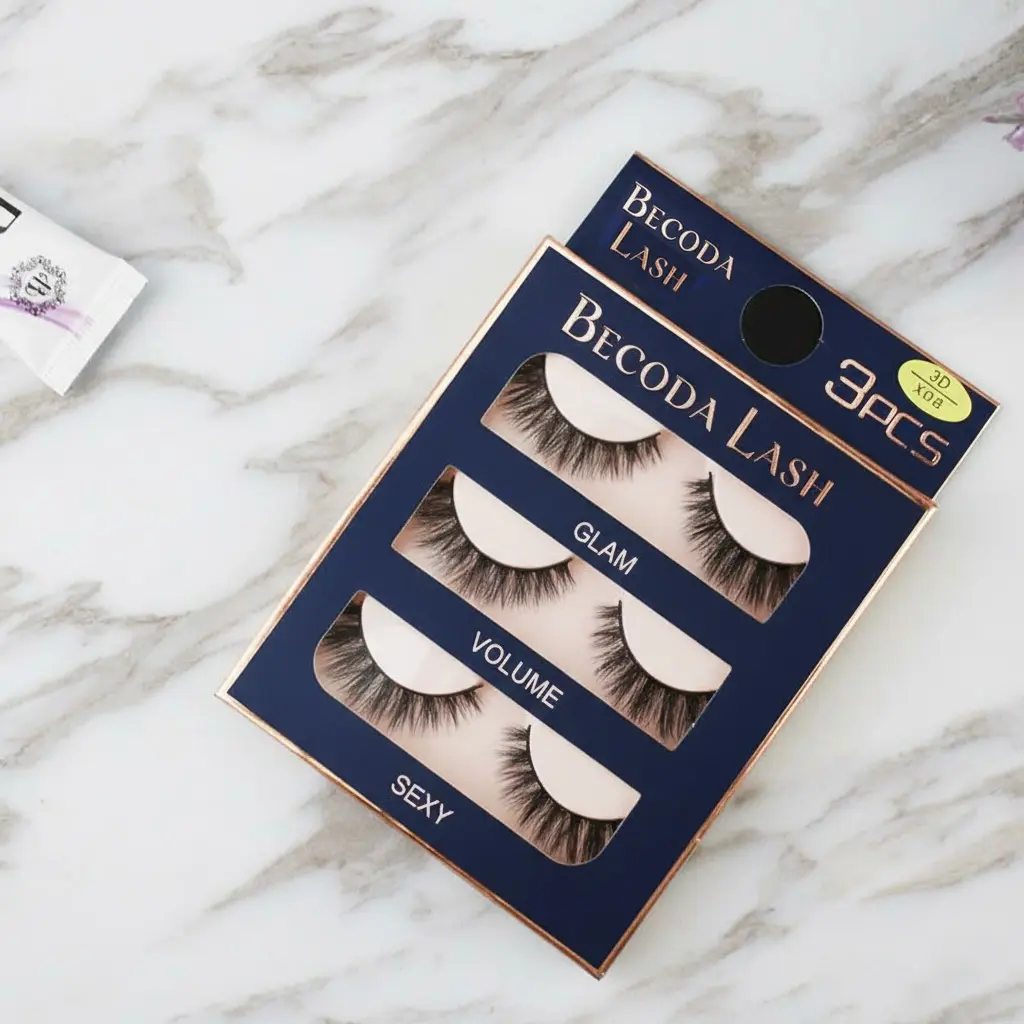
To tie it all together, let’s dive into a detailed hypothetical scenario. Meet Alex, a distributor in the U.S. specializing in salon supplies. Facing stiff competition, Alex decided to venture into private label lashes.
Pain point one: Unclear OEM/ODM. Alex researched and chose Becoda Lash for their transparent process. Starting with a consultation, they outlined needs for hybrid private label lashes targeting busy professionals.
Trend integration: Incorporating 2026 preferences, they added sustainable fibers and subtle colors.
Branding: Becoda handled custom magnetic packaging with Alex’s logo, ensuring eco-friendly vibes aligned with the brand.
Selection based on audience: Surveys revealed a demand for easy-application clusters, so they focused there.
Outcome: Launching in mid-2025, Alex’s line generated 45% revenue growth. Customers raved about the quality, and repeat orders soared.
This story illustrates how addressing pain points with the right supplier leads to triumph.
In summary, mastering private label lashes involves understanding the OEM/ODM process, aligning with brand identity, selecting based on audience needs, and staying ahead of 2026 trends. By evaluating suppliers carefully and executing branding flawlessly, distributors can overcome common pain points and drive growth.
Becoda Lash stands ready as your trusted partner, offering premium private label lashes that elevate your offerings. Don’t let unclear processes hold you back—take the next step today.
Ready to transform your lash line? Contact Becoda Lash for a free consultation and start crafting your custom private label lashes. Visit our website or email us to get started.
©2025. Becoda. All Rights Reserved.